Rabid: A Distressed Display Font for Crafters
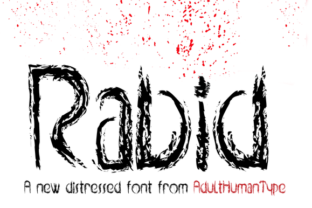
There is a specific kind of magic that happens when you move away from the perfectly clean, digital perfection of standard typography and embrace something with grit. As someone who spends their days designing labels for small-batch candles, cutting vinyl for farmhouse signs, and creating printable invitations, I have learned that texture tells a story. That is exactly why Rabid has become such a favorite in my design toolkit. It is an inky, messy, super distressed display font that feels part charcoal, part chalk strokes. When you add a splash of red to your project, it starts to look like blood, making it perfect for Halloween or edgy branding. But beyond the spooky potential, Rabid brings a raw, handmade charm to any physical product where you want to say, "Why SO Serious?"
The Visual Personality of a Premium Display Font
When you are choosing fonts for your shop, you aren't just picking letters; you are selecting the voice of your brand. Rabid is not a whisper; it is a bold statement. Its visual personality is defined by its imperfections. The strokes vary in weight, mimicking the erratic flow of ink on paper or the scratchy texture of chalk on a slate board. This makes it an exceptional choice for creators who want their products to feel authentic rather than mass-produced.
In the world of modern typography, there is a growing demand for assets that look tactile. Rabid delivers this instantly. Whether you are designing a logo for a boutique coffee roaster or creating packaging for artisanal soaps, this typeface adds immediate character. It includes glyphs and all those extras that allow you to customize the look further, ensuring your design stands out in a crowded marketplace like Etsy or Instagram. It is more than just a creative font; it is a tool for building a unique brand identity.
Bringing Texture to Physical Products
The true test of any display font is how it translates from the screen to the physical world. Rabid excels here because its distressed nature hides minor printing inconsistencies and adds depth to flat surfaces. Imagine using Rabid for a set of rustic wedding welcome boards. The chalk-like quality pairs beautifully with wood textures, making the event feel intimate and curated. For seasonal craft designs, particularly around October, the font transforms into a star performer. Print it on kraft paper tags for pumpkin spice candles or use it as the main headline on a haunted house invitation.
For those of us who work with Cricut or Silhouette machines, Rabid offers a fantastic opportunity to create intricate vinyl decals. Because the font is already distressed, you don't need to manually break up the lines to make it look vintage. You can cut it directly onto mugs, tote bags, or t-shirts, and the result will look professionally weathered. It works exceptionally well for short phrases, names, titles, and decorative wording. However, keep in mind that due to its heavy texture, it is best reserved for headlines rather than long paragraphs of body text.
Ideas for Handmade Labels and Packaging
- Candle and Soap Labels: Use Rabid for the scent name on a minimalist label. The contrast between the clean background and the messy font draws the eye immediately.
- Boutique Tags: Print the font on cardstock and attach it to clothing or accessories with twine for a high-end, artisanal feel.
- Holiday Packaging: Wrap gifts in brown paper and stamp the recipient's name in Rabid for a spooky or rustic holiday touch.
- Farmhouse Signs: Pair the font with reclaimed wood to create wall art that fits perfectly in a modern-rustic home decor style.
Readability and Practical Design Tips
While Rabid is undeniably attractive, practicality must always guide our choices as sellers. When using a heavily distressed font like this, readability can sometimes be a challenge, especially on smaller items. If you are designing tiny stickers or product labels, ensure that the size of the text is large enough for the details to remain visible. On very small scales, the "ink splatter" effect might blur together. Always print a mockup preview before committing to a full batch of production.
For cutting machines, check the file formats included with the download to ensure they are compatible with your software. Most premium fonts come in OTF or TTF formats, which work seamlessly with design programs like Illustrator, Canva, or Silhouette Studio. If you plan to use this for client work or web design, verify that the file supports the characters you need. While Rabid is primarily a display font intended for English, checking for multilingual support is crucial if you serve a global customer base. Remember, a font that looks great in a large header might lose its impact if used for fine print instructions.
Mastering Font Pairing for Cohesive Designs
One of the most common questions I get from fellow crafters is how to pair expressive fonts without overwhelming the viewer. Rabid is loud and energetic, so it needs a quiet partner to balance it out. The golden rule here is contrast. Since Rabid is a chaotic, handwritten-style display font, it pairs beautifully with a clean sans serif font or a simple serif font.
Imagine a birthday invitation where the word "Party" is written in Rabid in a deep crimson color, while the date, time, and location details are set in a crisp, geometric sans serif. This combination guides the reader's eye, allowing the emotion of the headline to shine while keeping the essential information legible. Similarly, for a packaging design, you might use Rabid for the brand name on the front of a box and a traditional serif font for the ingredients list on the back. This approach maintains brand consistency while respecting the hierarchy of information.
Licensing and Commercial Use for Sellers
As we grow our handmade businesses, understanding font licensing becomes critical. Rabid is designed to be a commercial font, but you must always read the End User License Agreement (EULA) provided with your purchase. Generally, a standard license allows you to use the font for physical products you sell, such as t-shirts, mugs, prints, and stationery. This means you can incorporate Rabid into your SVG designs, templates, and digital downloads that you sell to other makers.
However, if you are creating custom work for clients—such as a logo design for a local bakery or a website for a wedding planner—you may need a different license tier. Never assume that a personal license covers client work. Using a font legally protects your business and ensures you can scale your operations without fear of copyright issues. Investing in a proper license for a high-quality asset like Rabid is a small price to pay for the professional edge it gives your portfolio.
Ultimately, Rabid is more than just a collection of letters; it is a way to inject personality and emotion into your creations. Whether you are crafting a scary Halloween sign or a chic, rustic wedding suite, this font provides the texture and attitude that generic typefaces simply cannot match. By understanding its strengths, pairing it wisely, and respecting its licensing, you can elevate your products from simple goods to memorable experiences.